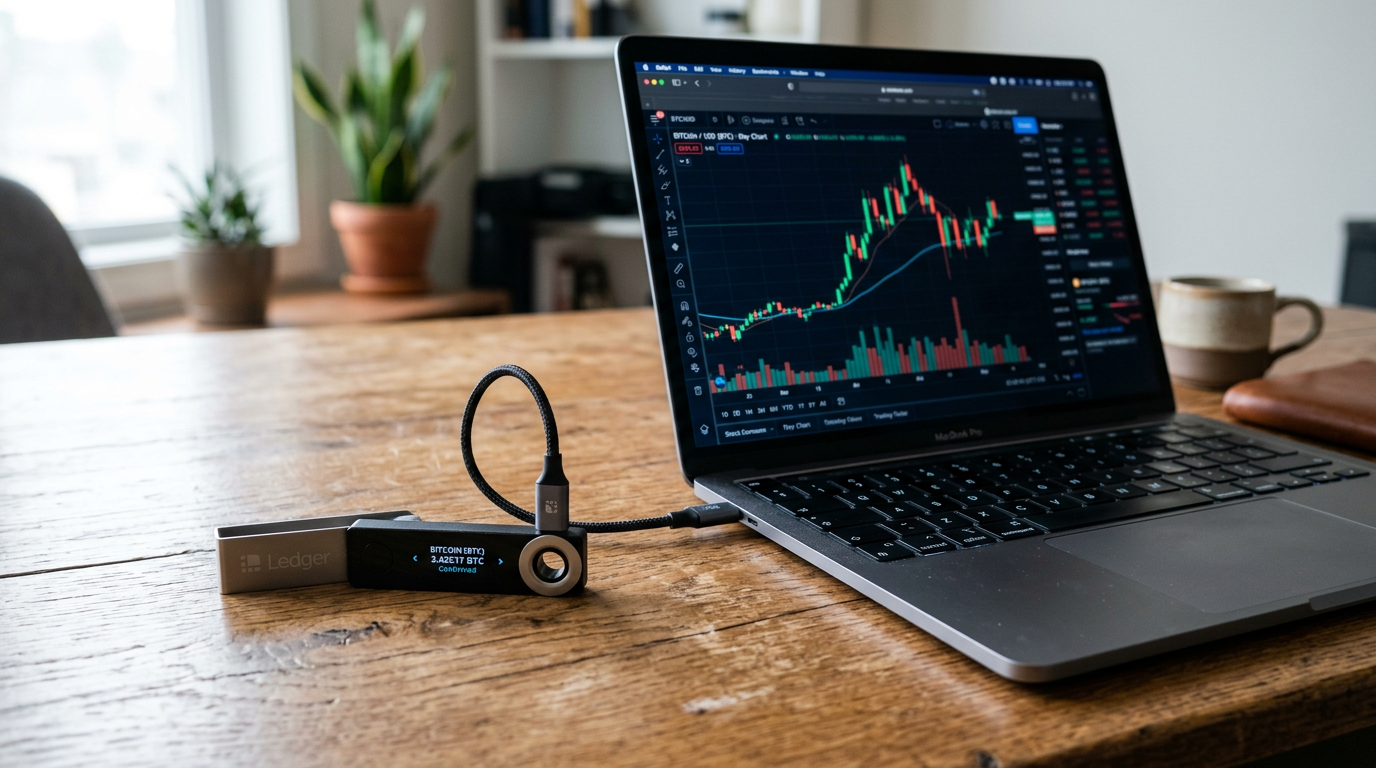
- Occasional buyer: You may want a simple app with clear pricing and an easy cash-out process
- Long-term holder: Security, transfer options, and withdrawal controls may matter more than trading bells and whistles
- Active trader: Look for lower trading costs, better charting tools, and order types such as limit orders
If you are buying crypto for the first time, the hardest part is often not choosing a coin but choosing where to buy it.
A crypto exchange can affect what you can trade, what you pay in fees, and how easily you can move your assets later. S. readers, the best choice is usually the platform that fits your goals, risk tolerance, and comfort level with account security.
→ SocialGood - Crypto Rewards for Shopping - CPS (US) {Mobile} — free, takes about 60 seconds.
Start with how you plan to use the exchange
Not every platform serves the same purpose. Some are built for simple buy-and-hold investing, while others are designed for active trading, advanced order types, or access to a wider range of tokens. Before comparing features, decide what you actually need.
- Occasional buyer: You may want a simple app with clear pricing and an easy cash-out process.
- Long-term holder: Security, transfer options, and withdrawal controls may matter more than trading bells and whistles.
- Active trader: Look for lower trading costs, better charting tools, and order types such as limit orders.
- Altcoin explorer: Check whether the exchange supports the specific assets you want to buy.
It is easy to overpay for features you will never use. A straightforward platform can be a better fit than a more complex one if your goal is simply to buy Bitcoin or Ethereum and hold it.
Compare the real costs, not just the headline fee
We go deeper on this in this rundown — worth a read before you decide anything.
Crypto exchanges may advertise low fees, but the total cost of a trade can include several moving parts. Some platforms charge a visible trading fee.
Others build more of the cost into the spread, which is the difference between the buy and sell price you are offered.
→ See what you could be approved for — free, takes about 60 seconds.
Watch for these common costs
- Trading fees: The direct charge for placing a buy or sell order.
- Spread: The price difference between what you pay and the market price.
- Deposit and withdrawal fees: Fees for moving money in or out of your account.
- Conversion fees: Extra charges if you swap one crypto asset for another.
Fee structures can be hard to compare because they are not always presented the same way. An exchange with a low posted trading fee may still cost more overall if it uses a wide spread or higher withdrawal charges.
Read the fee schedule carefully, especially if you plan to transfer assets to a personal wallet or move money back to a bank account often.
Sources & further reading
- Consumer Financial Protection Bureau (CFPB)
- Federal Trade Commission — Credit & Debt
- MyMoney.gov — U.S. Financial Literacy
- Internal Revenue Service (IRS)
This article is for general information only and is not professional financial, legal, or medical advice.
Dana Whitfield — Personal Finance Editor
Dana has spent more than a decade writing about consumer debt, credit, and everyday money decisions, translating dense policy and lender fine print into plain-English steps readers can actually use. Every figure here is checked against current federal and lender guidance.
✓ Reviewed for accuracy by Marcus Reed, Accredited Financial Counselor · Updated August 2026
