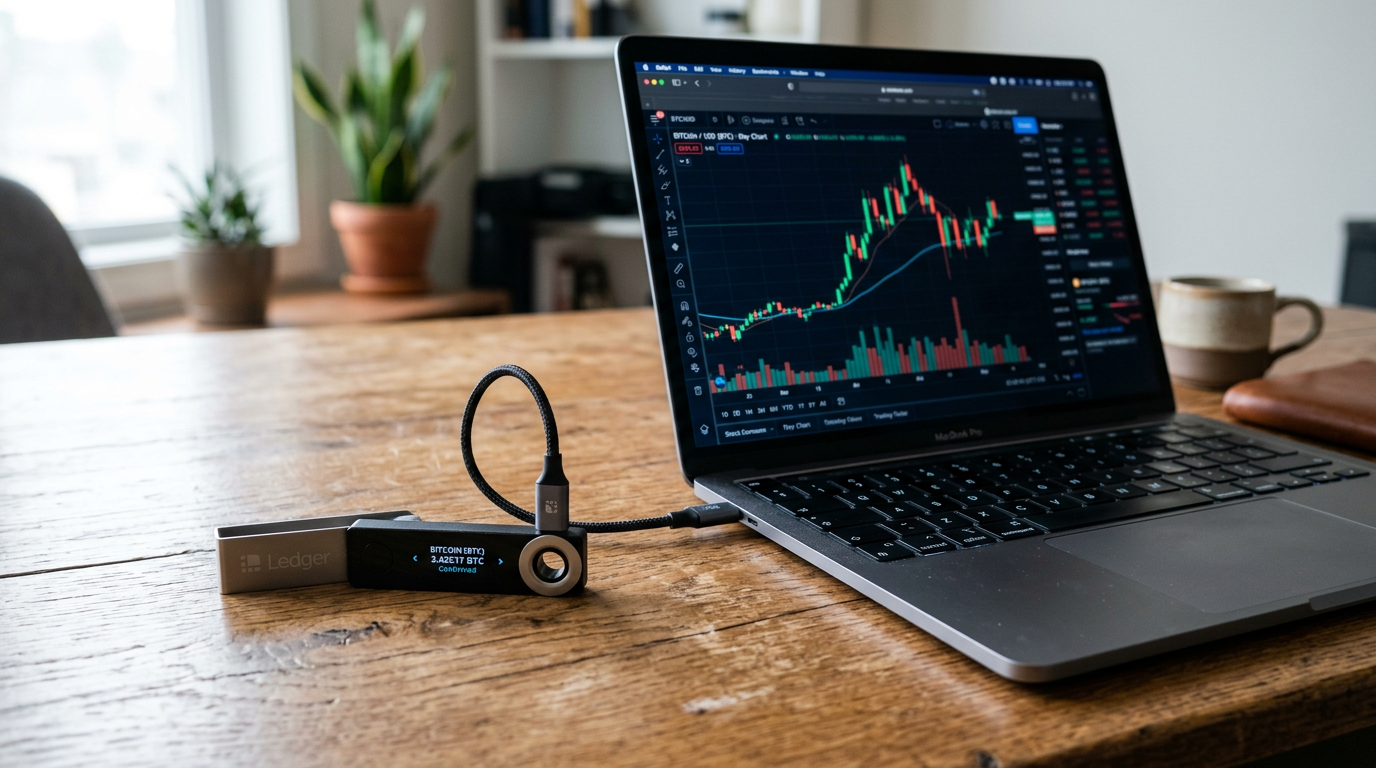
- Frequent traders: may prefer a hot wallet or exchange wallet for easier access, while understanding the tradeoff in security
- Long-term holders: often choose cold storage or a hardware wallet to reduce online exposure
- Beginners: may want a simple custodial wallet first, especially if they are learning how transfers and recovery work
If you own cryptocurrency, one of the most important choices you’ll make is where to keep it. A crypto wallet is not just a place to store coins; it’s the tool that lets you access, send, and manage them.
The right wallet depends on how often you trade, how much control you want, and how comfortable you are with security responsibilities.
→ SocialGood - Crypto Rewards for Shopping - CPS (US) {Mobile} — free, takes about 60 seconds.
For many readers, the confusing part is that “wallet” can mean several different things. Some wallets are connected to the internet. Some are held by a platform on your behalf. Others put you fully in charge of your keys.
Understanding those differences can help you avoid costly mistakes and choose a setup that matches your needs.
Start with the main wallet types
Crypto wallets generally fall into a few common categories. The names can overlap, but the basic distinctions matter.
We go deeper on this in the details that matter — worth a read before you decide anything.
Hot wallets vs. cold wallets
Hot wallets stay connected to the internet. They are usually convenient for frequent transfers, mobile use, and quick access. That convenience can also create more exposure to phishing, malware, and device compromise.
→ See what you could be approved for — free, takes about 60 seconds.
Cold wallets keep your private keys offline. Hardware wallets are the most common example. They are typically a better fit for people who want stronger long-term security and do not need to move funds often.
Custodial vs. noncustodial wallets
With a custodial wallet , a company holds the keys for you. This can make setup easier and reduce the burden of self-management, but it also means you are trusting that provider to safeguard access to your funds.
With a noncustodial wallet , you control the keys yourself. That gives you more independence, but it also means you are responsible for backups, recovery steps, and protecting your login methods and seed phrase.
Sources & further reading
- Consumer Financial Protection Bureau (CFPB)
- Federal Trade Commission — Credit & Debt
- MyMoney.gov — U.S. Financial Literacy
- Internal Revenue Service (IRS)
This article is for general information only and is not professional financial, legal, or medical advice.
Dana Whitfield — Personal Finance Editor
Dana has spent more than a decade writing about consumer debt, credit, and everyday money decisions, translating dense policy and lender fine print into plain-English steps readers can actually use. Every figure here is checked against current federal and lender guidance.
✓ Reviewed for accuracy by Marcus Reed, Accredited Financial Counselor · Updated August 2026

No comments:
Post a Comment