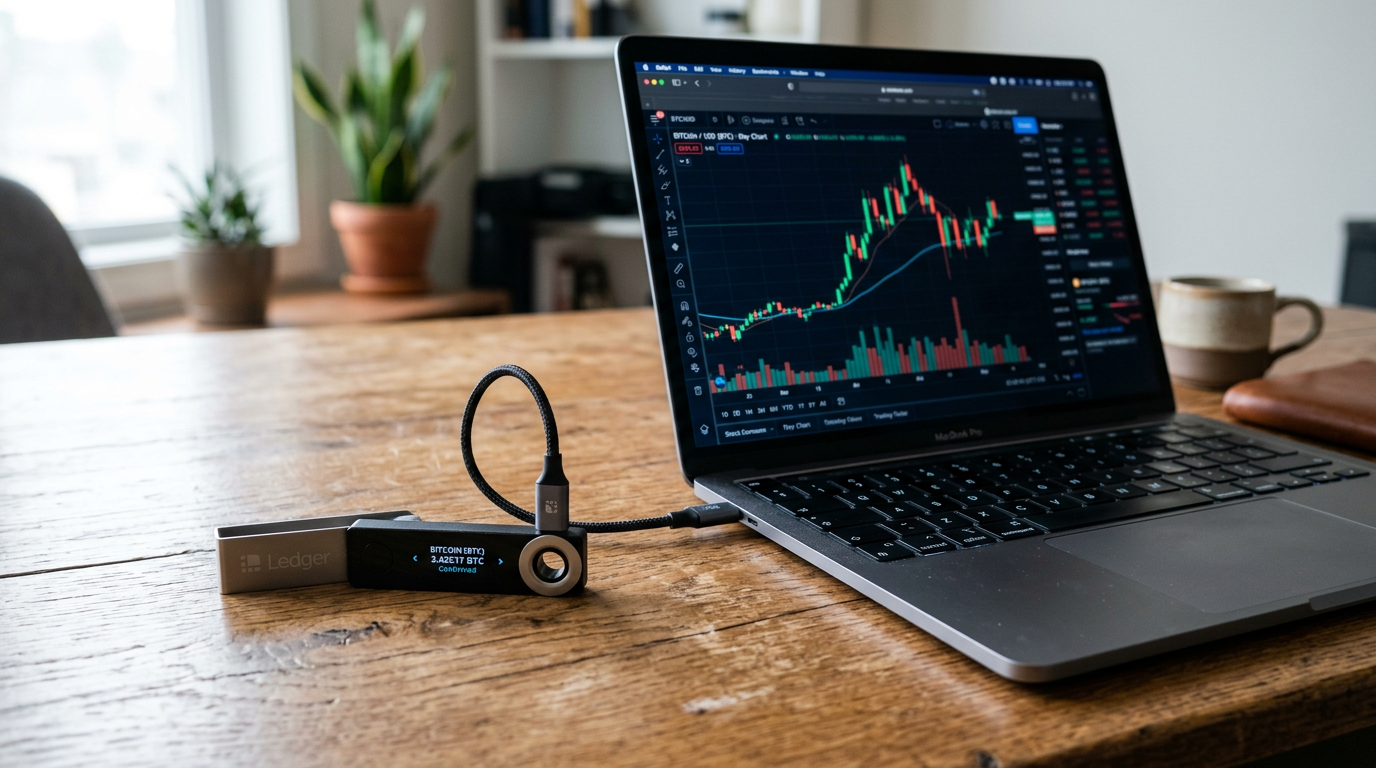
- Software wallets live on your phone, browser, or desktop and are generally easier for everyday use
- Hardware wallets store keys on a dedicated device and are often used for stronger long-term security
- Paper or seed phrase backups are not wallets by themselves, but they are part of the recovery process for many noncustodial setups
Choosing a crypto wallet is less about finding the “best” one and more about finding the one that fits how you plan to use your coins. Some people want quick access for trading or spending. Others care most about keeping assets under their own control.
The right wallet depends on your balance of security, convenience, and responsibility.
→ SocialGood - Crypto Rewards for Shopping - CPS (US) {Mobile} — free, takes about 60 seconds.
If you are new to crypto, the variety of wallet types can feel confusing. But once you understand the main trade-offs, it becomes much easier to narrow your options.
The key question is not just what a wallet can do, but what risks you are willing to manage.
Start with the main wallet types
Crypto wallets are usually grouped into two broad categories: custodial and noncustodial . A custodial wallet is managed by a company, exchange, or platform that holds the keys on your behalf.
A noncustodial wallet gives you direct control of the private keys, which means you are responsible for protecting access.
Within those categories, you will also see different formats:
We go deeper on this in this rundown — worth a read before you decide anything.
- Software wallets live on your phone, browser, or desktop and are generally easier for everyday use.
- Hardware wallets store keys on a dedicated device and are often used for stronger long-term security.
- Paper or seed phrase backups are not wallets by themselves, but they are part of the recovery process for many noncustodial setups.
There is no universal winner. A software wallet may be fine for modest amounts you use regularly. A hardware wallet may make more sense if you want to reduce online exposure for holdings you plan to keep for a while.
→ See what you could be approved for — free, takes about 60 seconds.
Decide what matters most: access or control
Most wallet decisions come down to a simple trade-off. The easier a wallet is to use, the more likely it may be tied to a service that also controls some of the security process.
The more control you have, the more carefully you need to manage recovery information and device security.
If you want convenience
A custodial wallet or exchange-linked wallet may be simpler for beginners. It can be easier to log in, buy crypto, and recover access if you forget a password.
For people who trade frequently or only keep a small amount on hand, that convenience may outweigh the downside.
Sources & further reading
- Consumer Financial Protection Bureau (CFPB)
- Federal Trade Commission — Credit & Debt
- MyMoney.gov — U.S. Financial Literacy
- Internal Revenue Service (IRS)
This article is for general information only and is not professional financial, legal, or medical advice.
Dana Whitfield — Personal Finance Editor
Dana has spent more than a decade writing about consumer debt, credit, and everyday money decisions, translating dense policy and lender fine print into plain-English steps readers can actually use. Every figure here is checked against current federal and lender guidance.
✓ Reviewed for accuracy by Marcus Reed, Accredited Financial Counselor · Updated August 2026

No comments:
Post a Comment